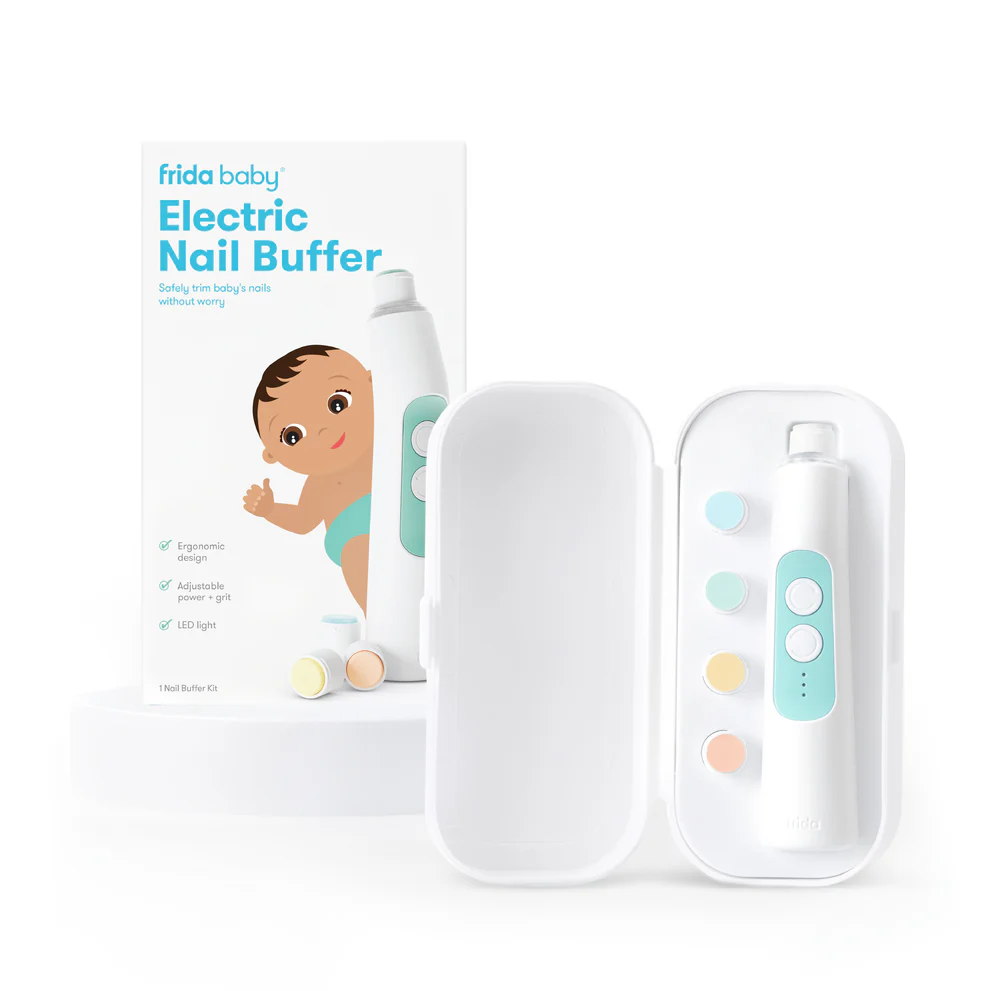
Electric Nail Buffer
Led the mechanical development of a premium electromechanical consumer product from early concept through high-volume production.
Role
Lead Mechanical Engineer
Technologies
Injection Molding
Electronics
Ultrasonic Welding
Manufacturing
Asia
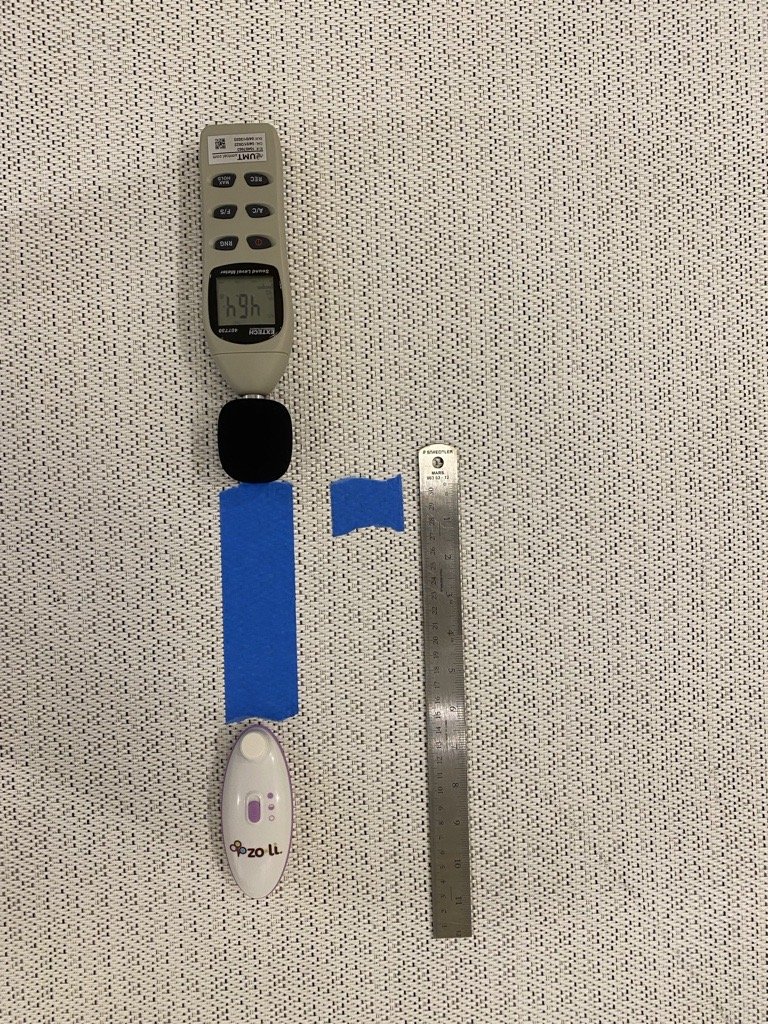
Competitive Noise Testing
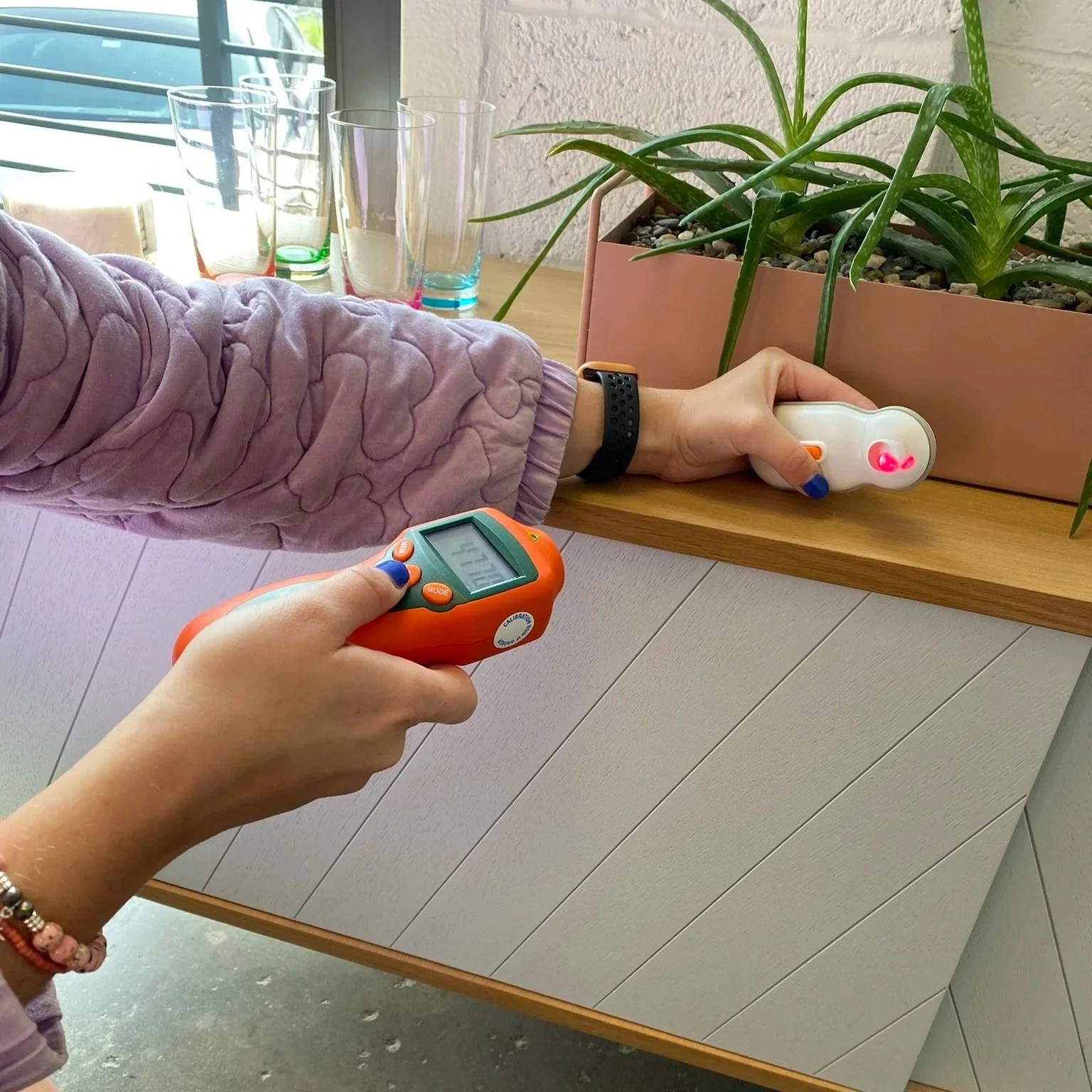
Competitive RPM Testing
Translating Insights Into Design
Noise
Insight: Parents frequently trim nails while babies are asleep.
Engineering Solution: Benchmarked competitive RPM and motor decibel levels to establish a performance target, then optimized motor selection and drivetrain to minimize operating noise while maintaining effective filing performance.
Visibility
Insight: Nail trimming often happens in low-light environments.
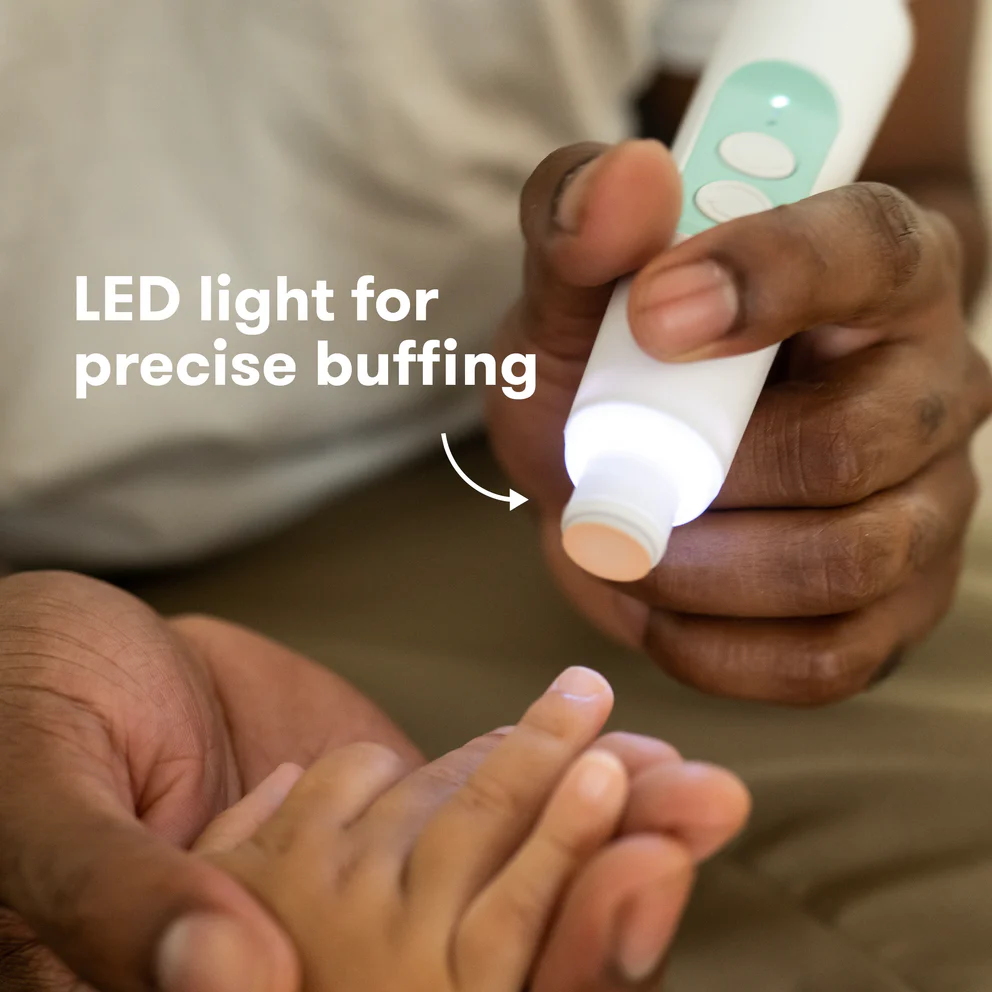
Engineering Solution: Integrated an LED task light positioned to illuminate the nail without creating glare or obstructing the user's view.
Ergonomics
Insight: Existing products required awkward hand positions and unintuitive controls.
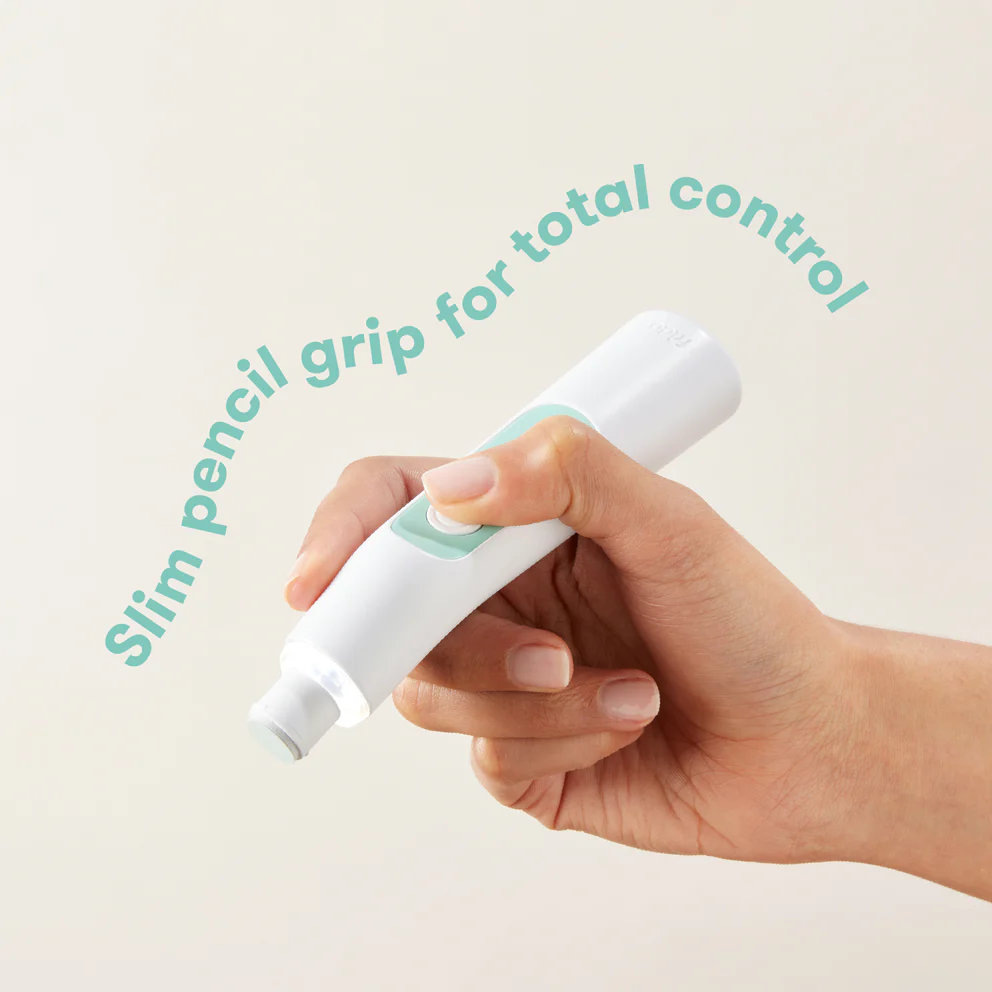
Engineering Solution: Refined the grip geometry, thumb reach, and button placement through iterative prototypes to improve comfort and one-handed operation.
Storage
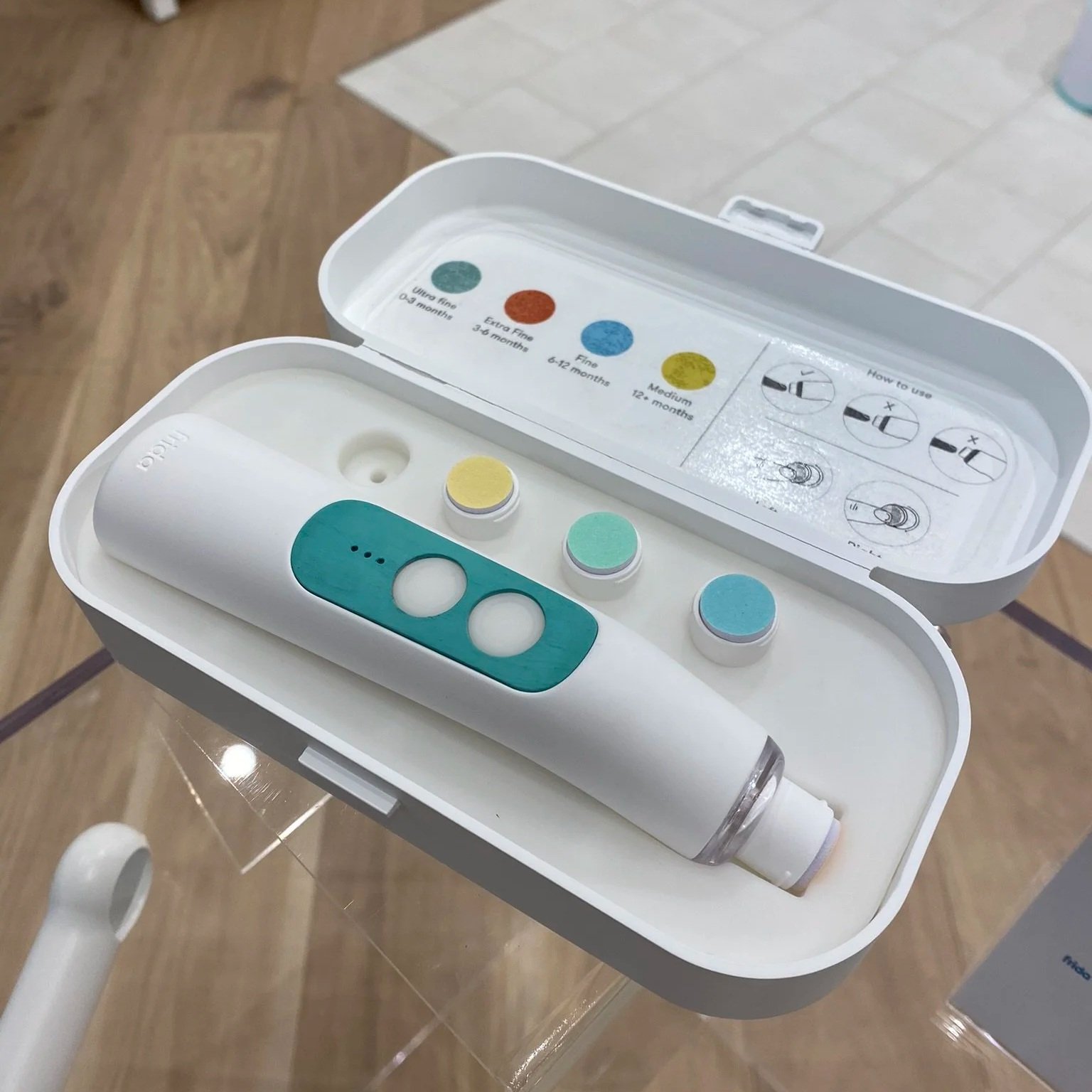
Insight: Parents often need to access the buffer with one hand while holding a baby, and the kit is frequently carried in a diaper bag. Competitive cases were difficult to open one-handed and allowed the buffer heads to come loose, leaving the contents disorganized in transit.
Engineering Solution: Developed a compact storage case with intuitive one-handed access and dedicated retention features for the device and each interchangeable head, keeping every component organized, protected, and securely in place during travel.
Performance
Insight: Competitive products either removed material too slowly or felt overly aggressive.
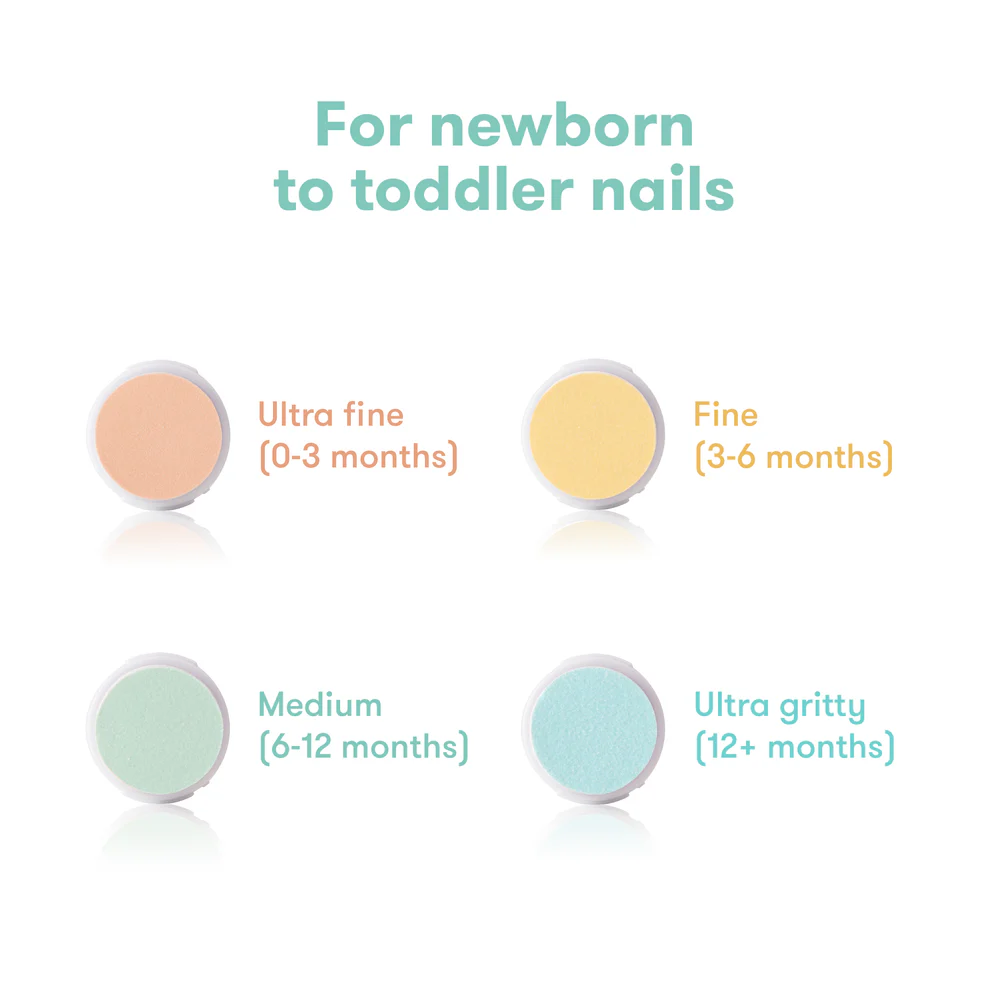
Engineering Solution: Evaluated rotational speed, abrasive grit, and head retention force to achieve an effective yet gentle filing experience across multiple age groups.
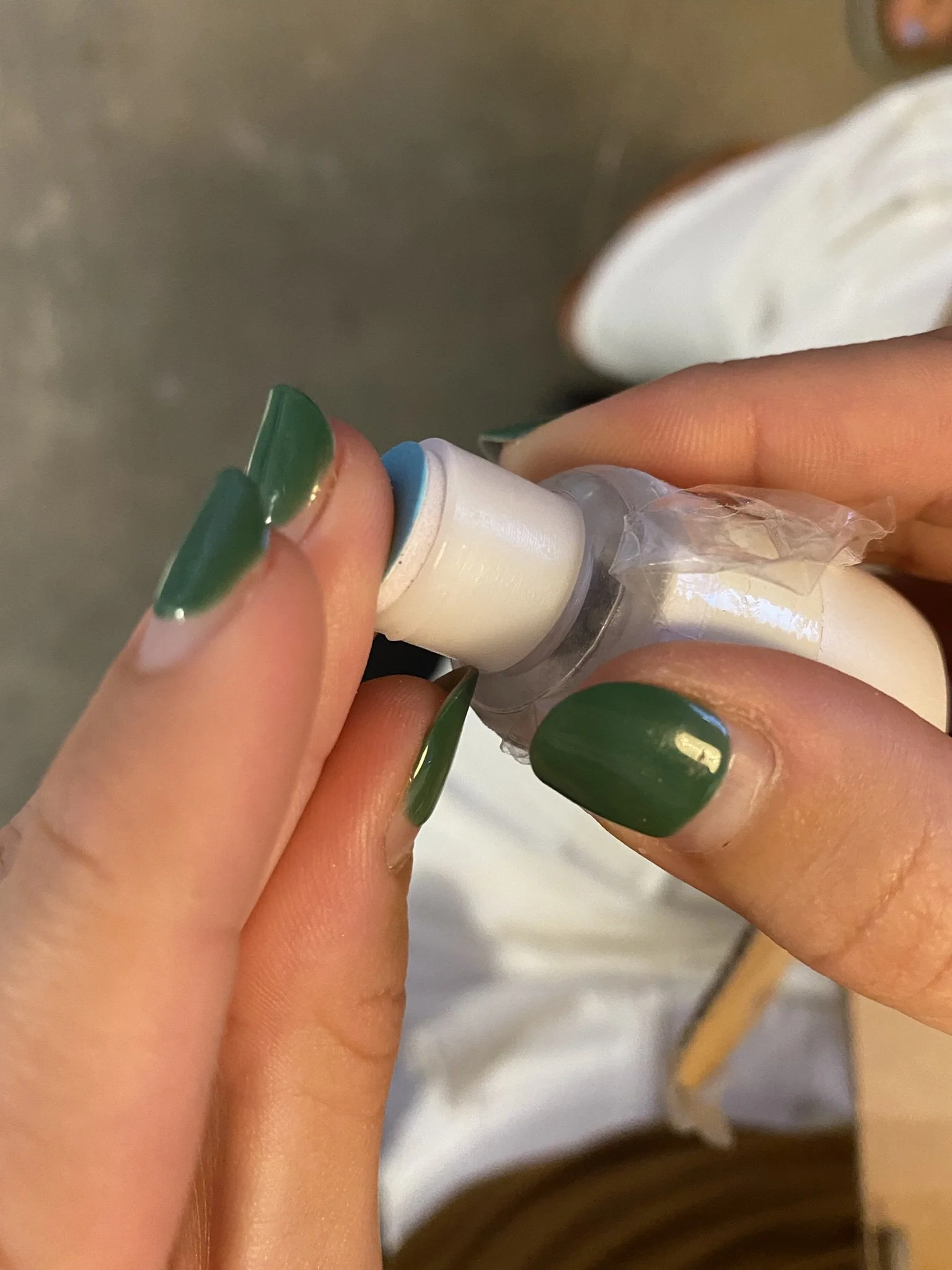
Prototype RPM Testing
First Looks-Like Prototype
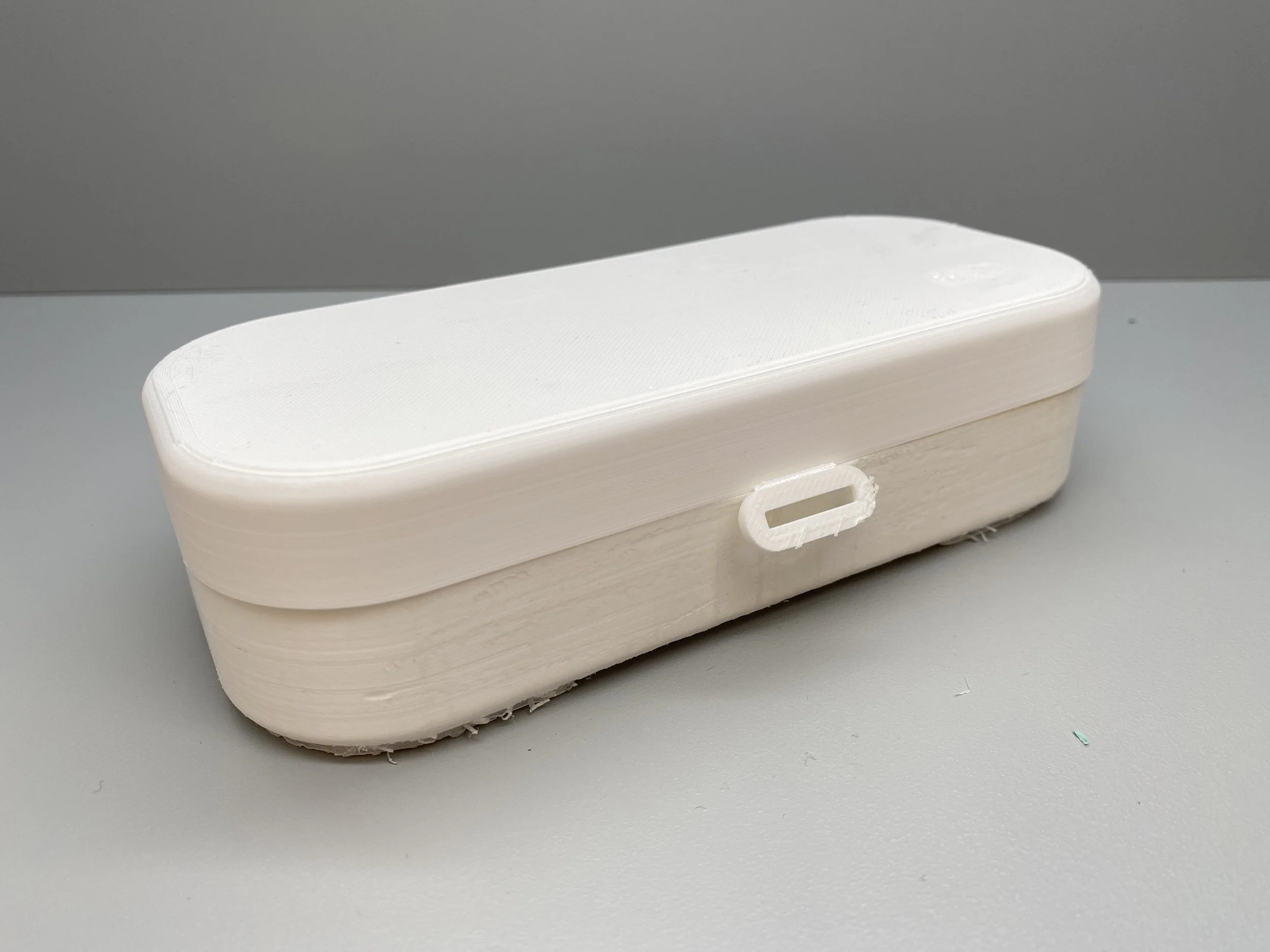
First Case Form Prototype
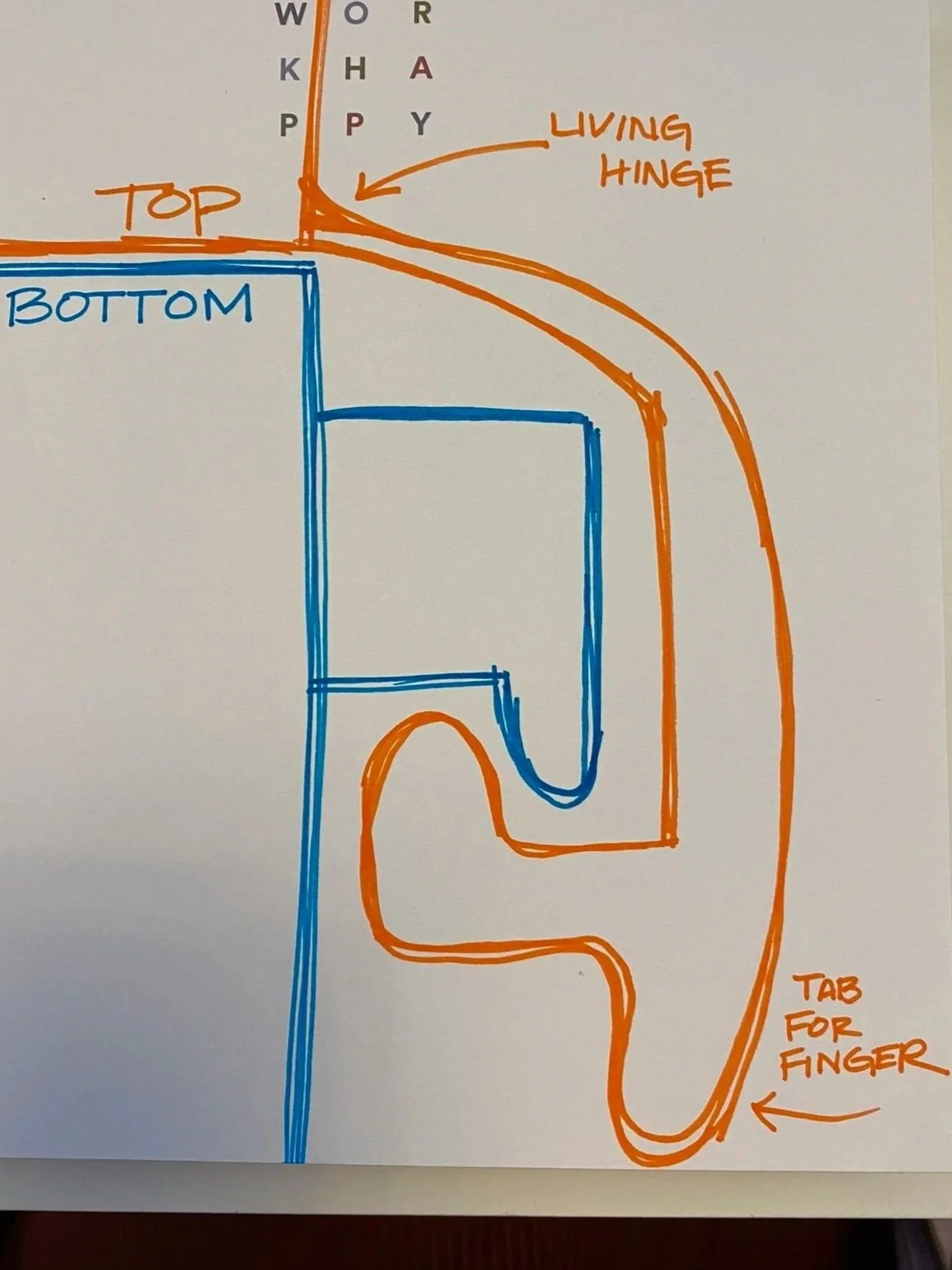
Case Touchpoint Brainstorming
Engineering Validation & Commercialization
I translated user needs and functional requirements into measurable engineering criteria. Then used the engineering build samples and bench testing to validate performance before production.
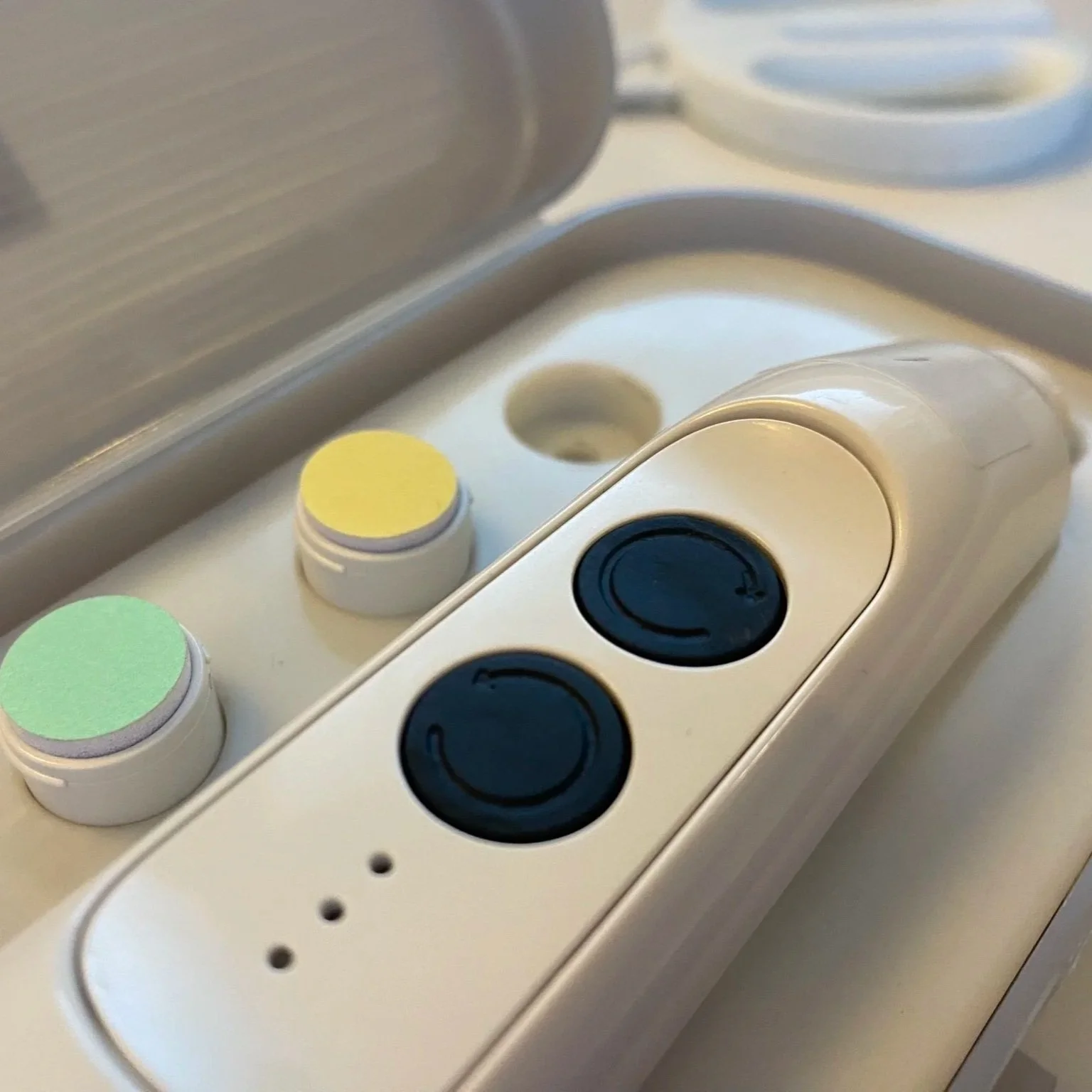
Head Retention
Measured attachment and pull-off forces to ensure the sanding heads were easy for an adult to replace while remaining securely attached during use.
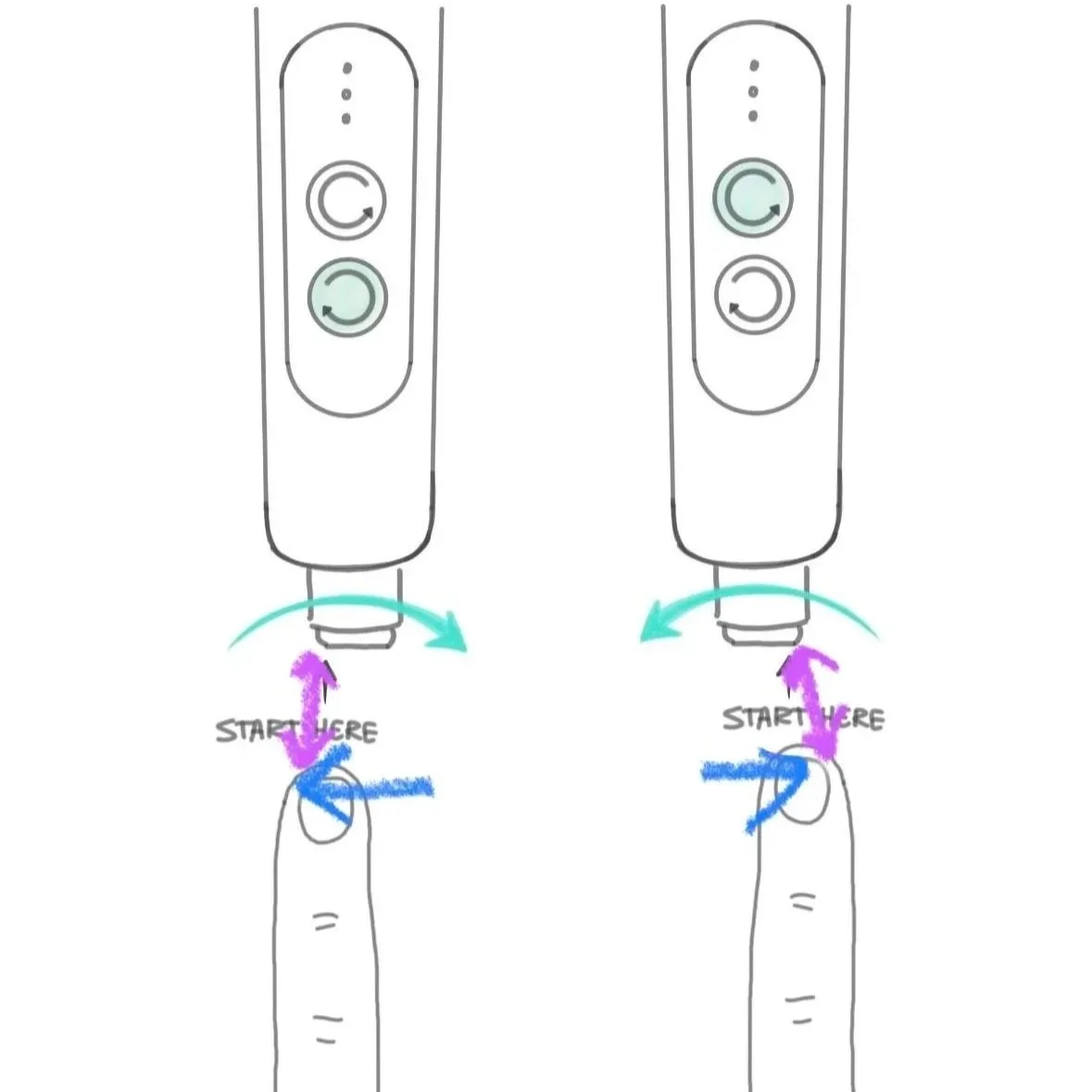
Device Logic and Rotation
Validated speed progression, rotation direction, control logic and indicator feedback against usability and filing-performance requirements.
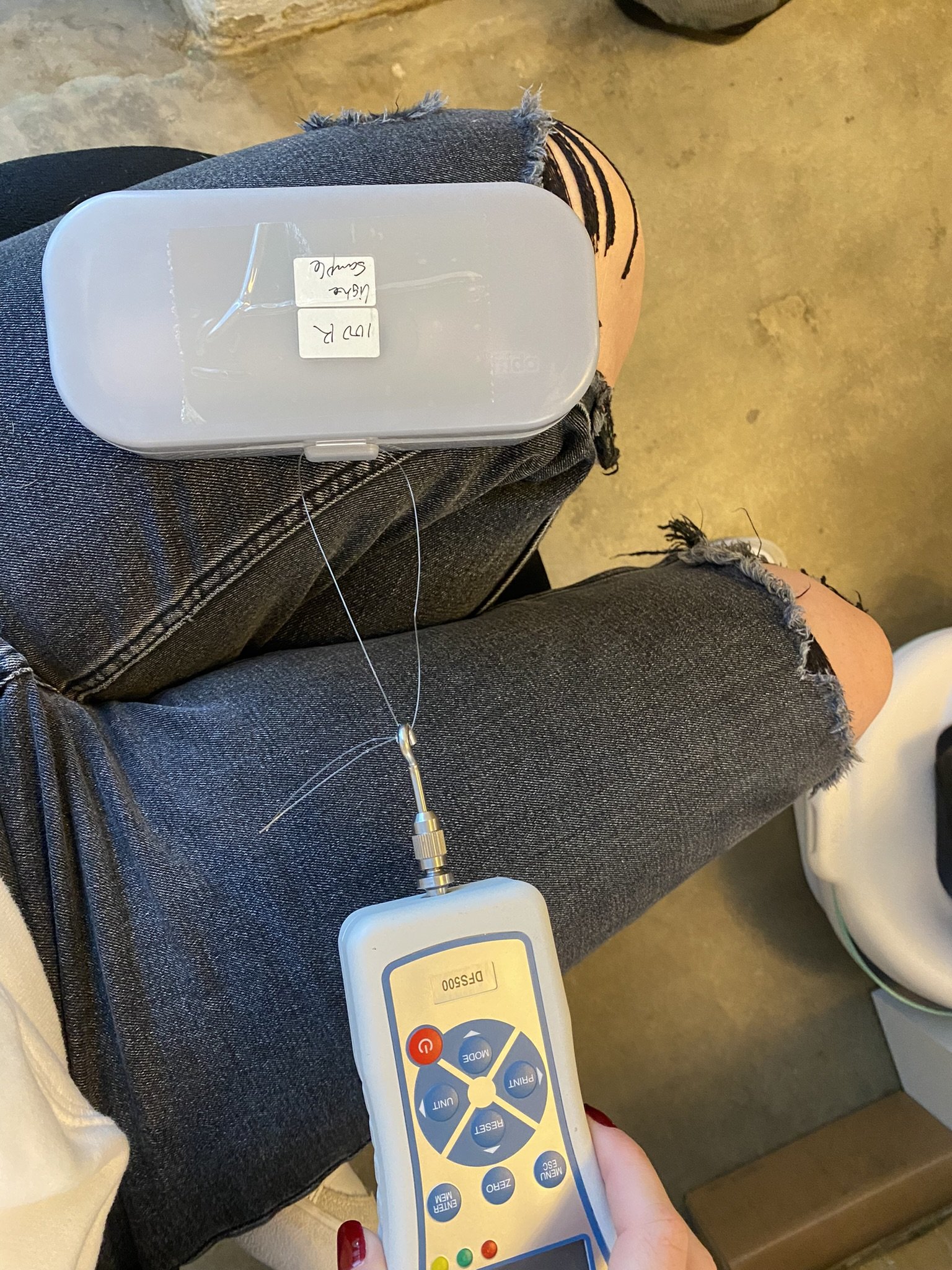
Case Opening Force
Tested opening and closing forces to balance secure retention during travel with easy one-handed access.
Engineering Builds
Used successive engineering builds to identify mechanical, assembly, cosmetic and manufacturing issues before production validation.
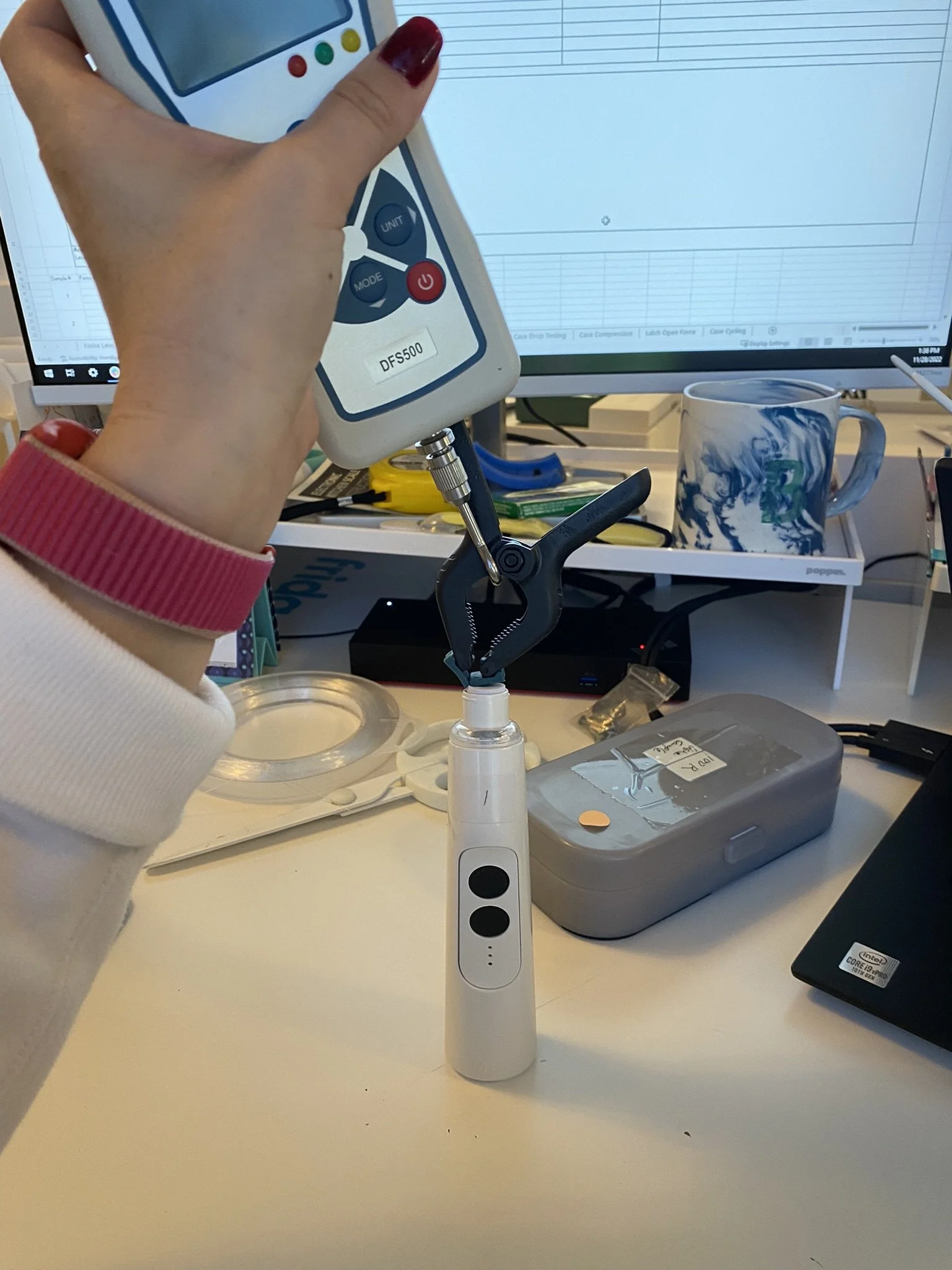
Head Retention Testing
Device Logic and Rotation
Case Opening Force Testing
Engineering Build Review
Outcome
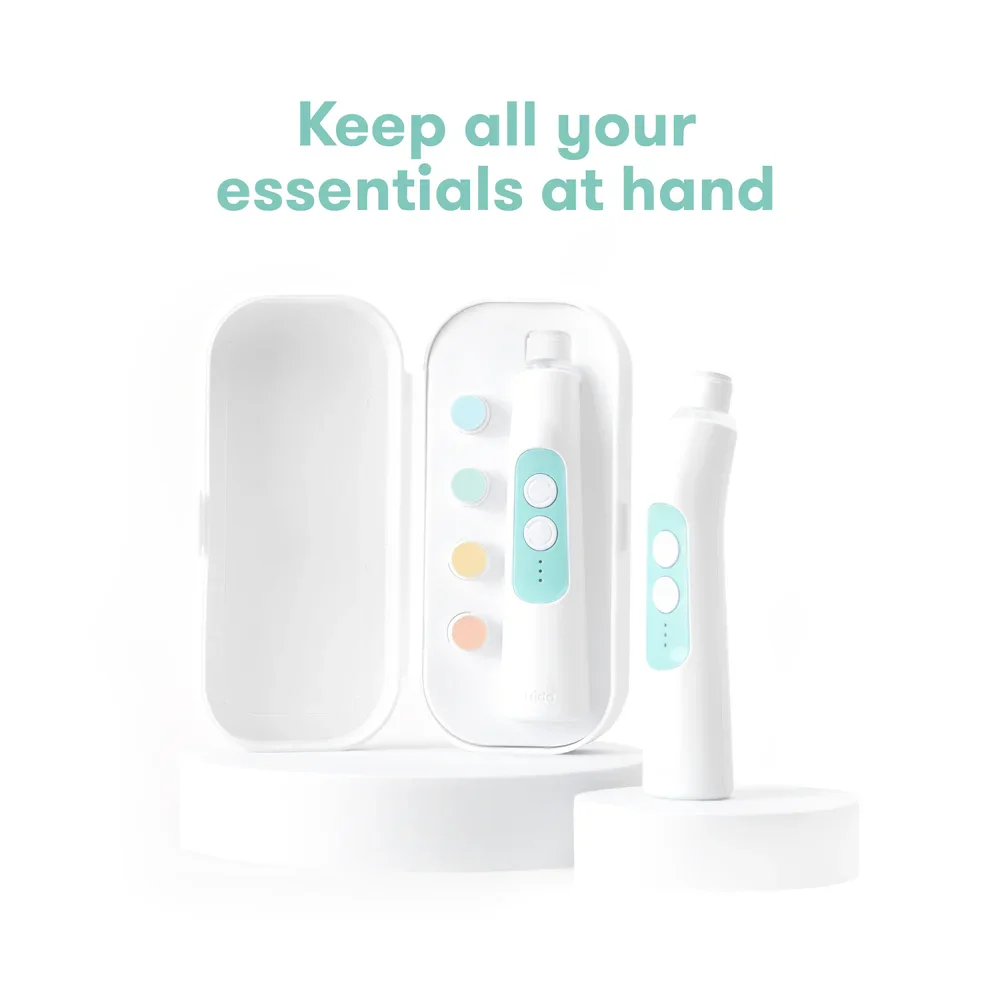
Mechanical ownership
Motor/drivetrain, housing architecture, attachments and storage system
Cross-functional development
Partnered with ID, electrical engineering and overseas manufacturing partners
Design for manufacturing
Injection-molded components, assembly strategy, and ultrasonic welding
Verification & launch
Prototype testing, engineering build troubleshooting, and design validation
Market Reception
★ 4.4 / 5 Average Rating
3,500+Reviews on Amazon
Amazon’s Choice
Best for Baby Awards Winner 2023
My Impact
Owned mechanical engineering development from early concept through high-volume production, translating consumer insights into product requirements and balancing performance, usability, manufacturability, and cost to deliver an award-winning flagship product that became a baby-registry staple.