Electric NoseFrida
Reframing a field-performance problem into a next-generation electromechanical product architecture.

Role
Lead Mechanical Engineer
The Challenge
Electric NoseFrida was already a successful product in market, but field performance indicated an opportunity to improve the product's reliability and user experience.
What initially began as an investigation into a specific product issue evolved into a broader technical investigation of the complete system.
The engineering question became bigger than fixing a failure:
What was actually driving the field performance, and what would need to change to create a fundamentally more robust next-generation product?
Understanding the Problem
What began as a corrective-action investigation quickly exposed a larger question: Was the existing product failing against its requirements, or had the definition of acceptable performance changed?
01 - Benchmarking the Current Market
Before redesigning the product, I needed to establish what users expected, how the competitive landscape had evolved, and how to objectively measure performance. The electric nasal aspirator category had evolved significantly since the original product was developed.
I conducted a new competitive benchmark to understand current product architectures, suction performance, airflow, usability, and emerging category expectations.
Key Question:What had changed in the market, and where did the existing product now sit relative to competitors?
02 - Finding Patterns in Field Complaints
I conducted a deep dive into consumer complaints and field data, categorizing reported issues and analyzing trends including time from purchase to failure.
Rather than treating complaints individually, I grouped them into recurring failure modes to identify patterns and narrow the investigation toward the highest-probability root causes.
Key Question:What were users actually experiencing, and were the complaints pointing toward common underlying failure modes?
03 - Defining ‘Good’ Performance
The investigation exposed a fundamental requirements question: What suction performance should an electric nasal aspirator actually deliver?
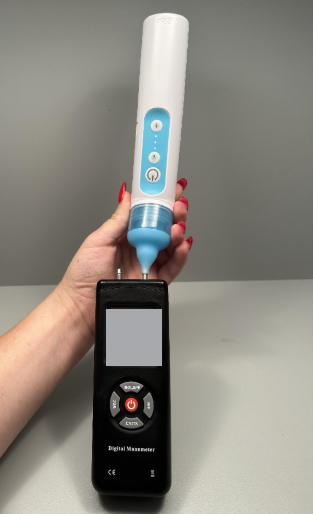
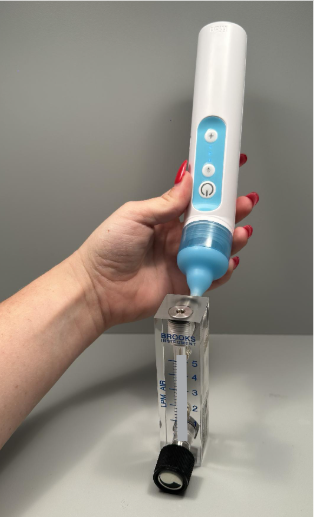
I characterized the performance of the original manual NoseFrida and compared the suction and airflow generated by human lung power against electric systems and competitive products.
This established an objective performance baseline and helped separate perceived underperformance from true system-level performance gaps.
Key Question:Were we measuring the product against the right benchmark?
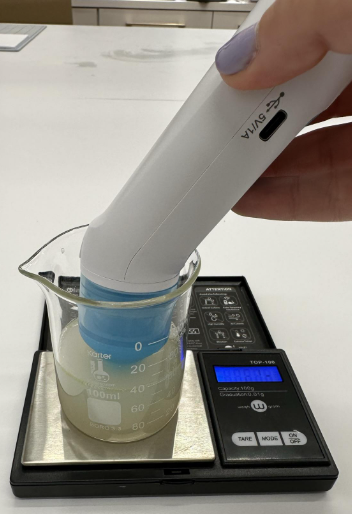
04 - Building a Repeatable Test Method
To understand performance objectively, I needed a test method that could reproduce real-world use consistently.
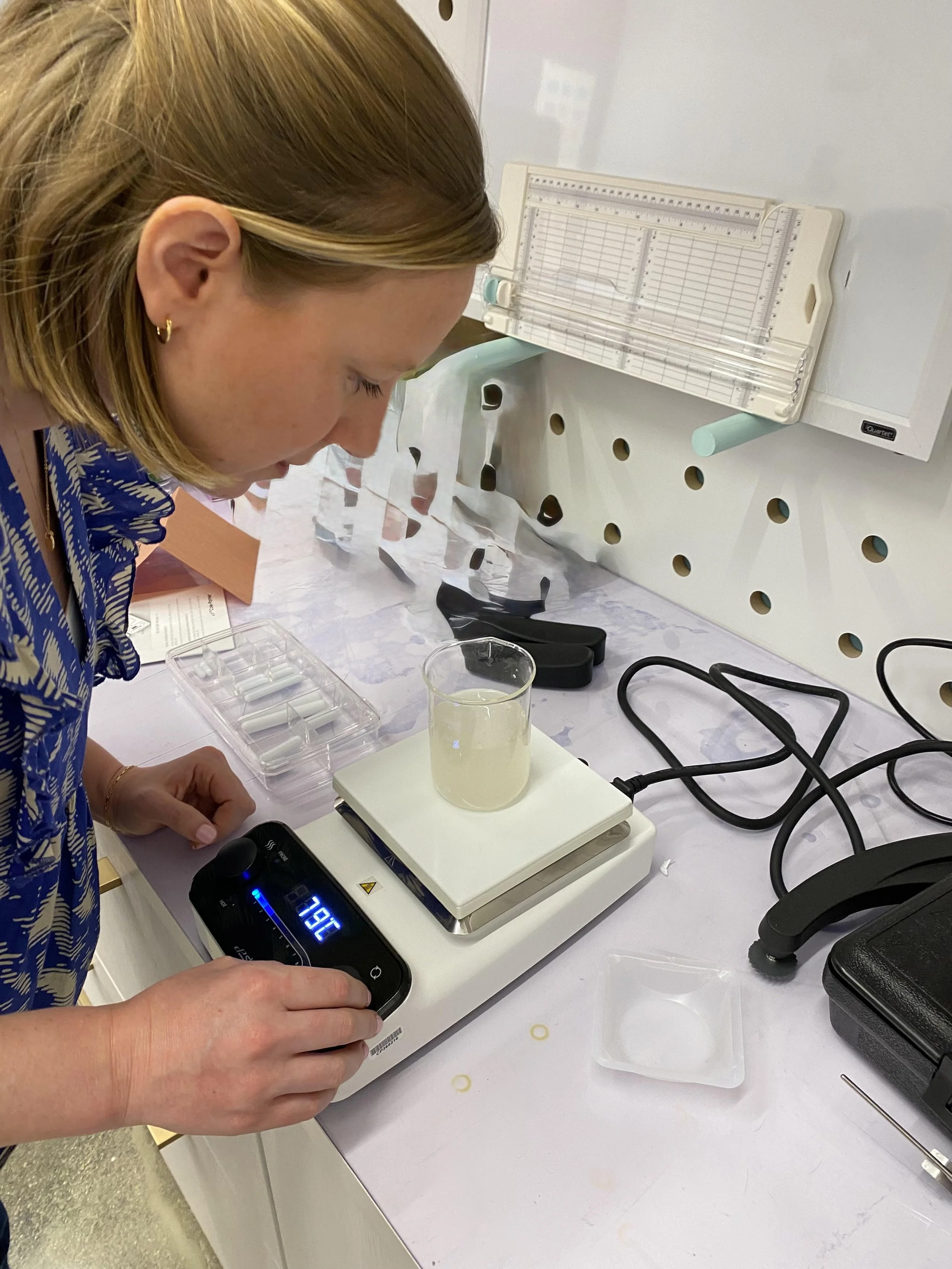
Early testing used mustard as a readily available mucus surrogate, but its inconsistencies to real life snot properties were hard to ignore. I partnered with the formulation team to develop an in-house synthetic mucus formulation with controlled properties, creating a repeatable test medium for evaluating suction performance across prototypes and design iterations.
This turned a subjective question, "Does it suction well enough?", into a controlled engineering test.
Key Question:How do we measure real-world performance in a way that is repeatable enough to drive engineering decisions?
From Root Cause to Redesign
The investigation identified three interconnected system-level issues that shaped the technical charter for Electric NoseFrida 2.0.
01 - Fluid Management
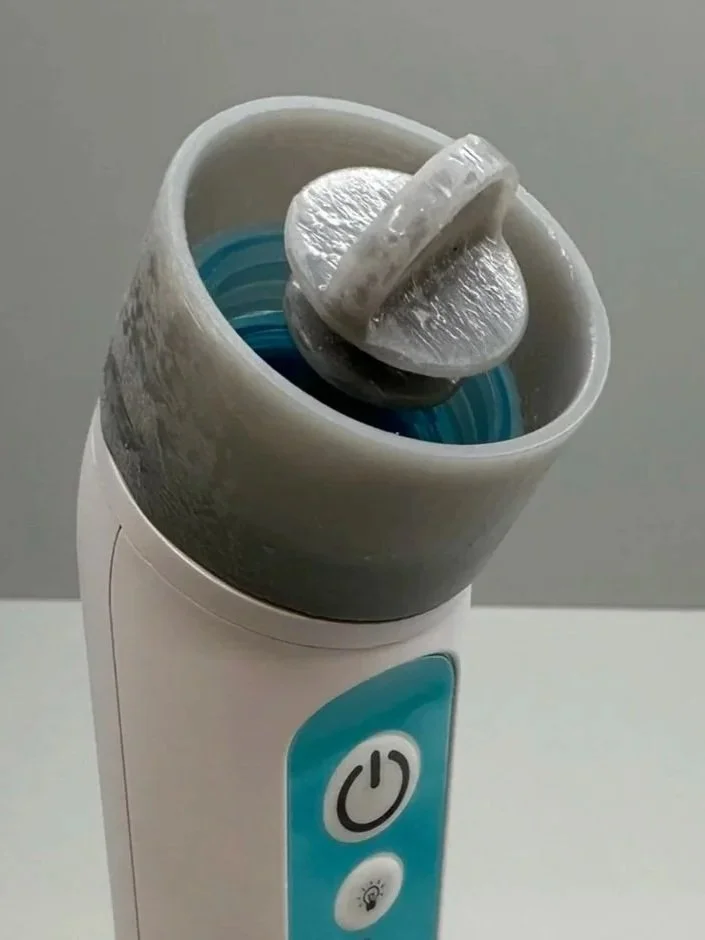
Aspirated fluid could reach the pump, creating contamination and long-term reliability risks.
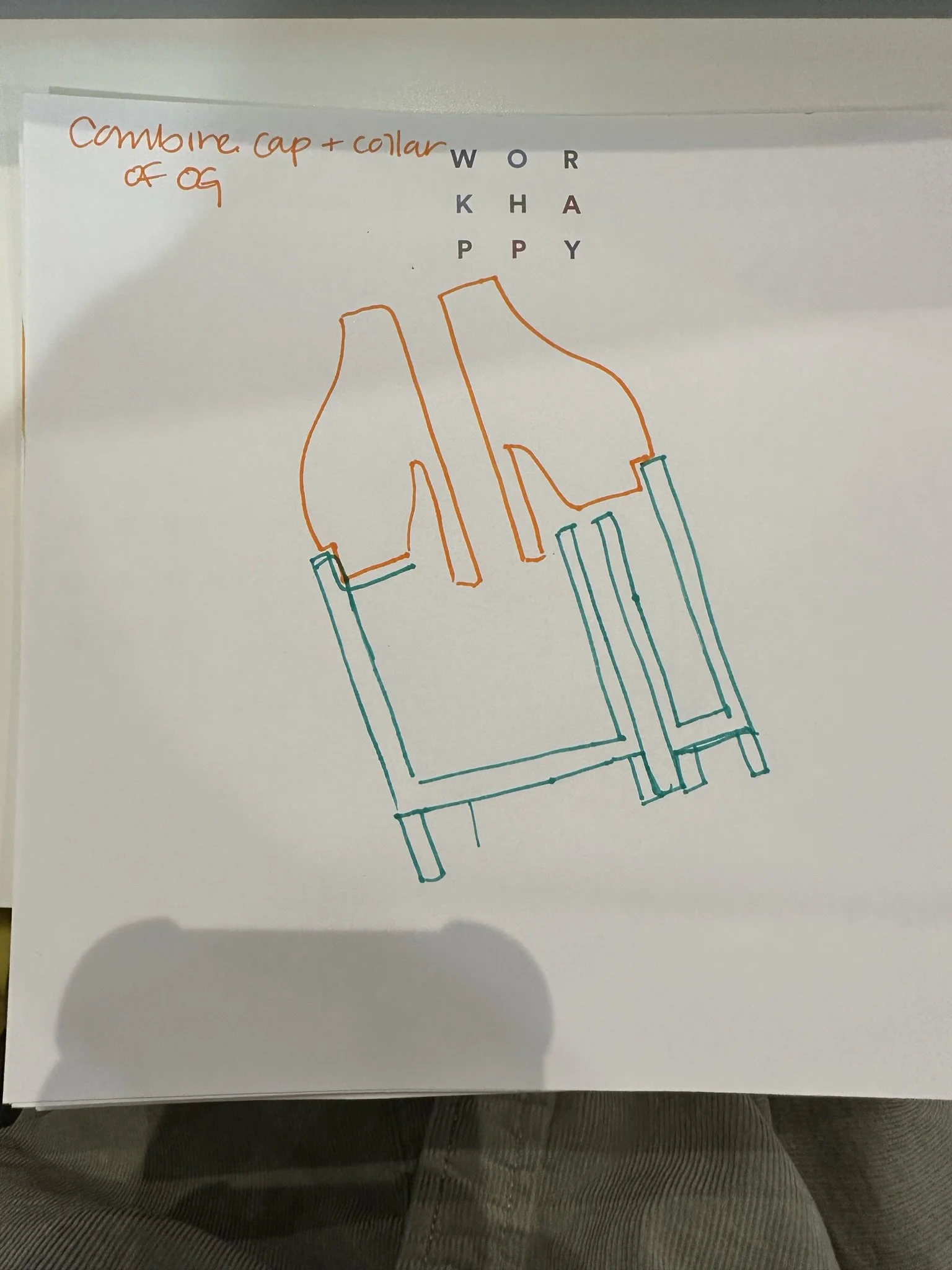
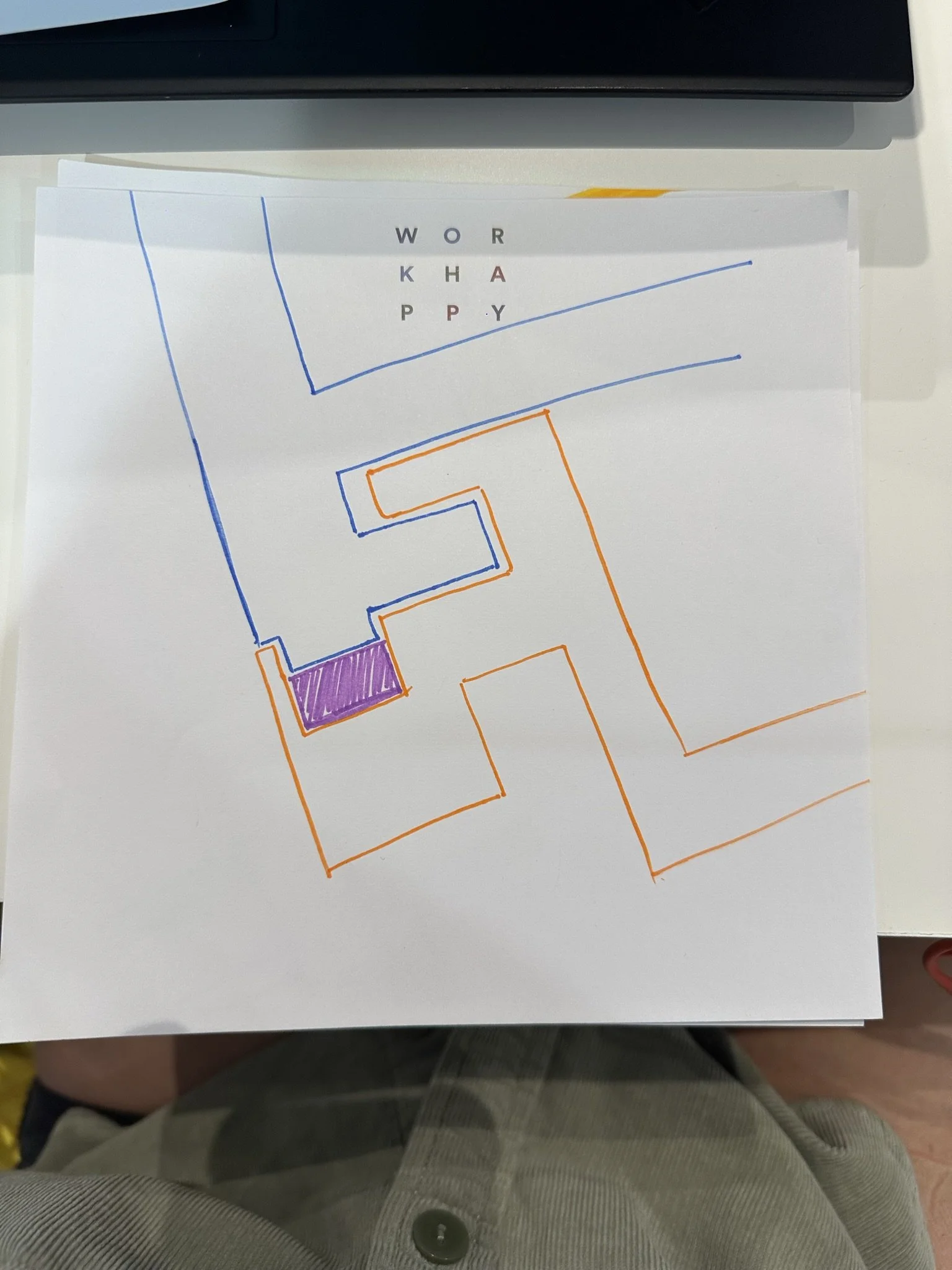
Design Direction: Rework the flow path and isolation strategy to better protect critical internal components.
02 - Pump Durability
Fluid exposure contributed to pump degradation over time and helped explain patterns identified in field complaints.
Design Direction: Improve pump protection and integration while designing around real-world use and cleaning conditions.
03 - Performance Architecture
Testing showed that perceived suction performance could not be defined by pressure alone. Airflow and pressure needed to be considered together when comparing electric systems with the original lung-powered NoseFrida and newer competitors.
Design Direction: Establish objective system-level performance targets using competitive benchmarking, manual NoseFrida characterization, and repeatable synthetic mucus testing.
Translating the Learnings Into 2.0
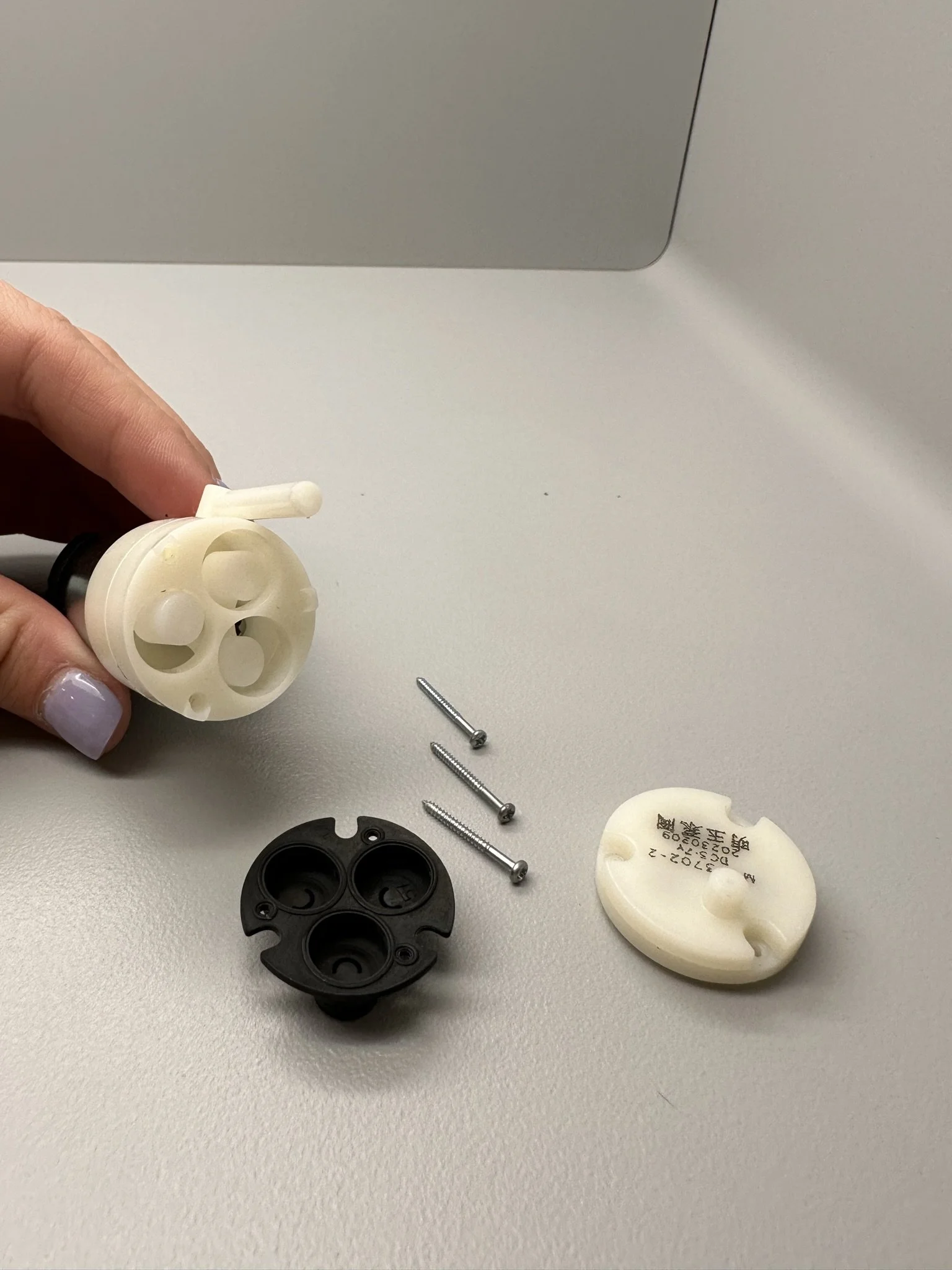
These findings expanded the program from a targeted corrective action into a broader system redesign. I translated the investigation into new engineering requirements and worked cross-functionally to develop a revised architecture focused on fluid isolation, pump protection, suction performance, sealing, and manufacturability.
The depth of the upfront technical investigation allowed the new architecture to enter engineering builds with the major system risks already characterized, reducing unnecessary complexity and giving the team a clearer technical path forward.
Skills
Root Cause Analysis
Electromechanical Systems
Injection Molding
Motor + Pump Integration
Sealing + Waterproofing
Manufacturing
Asia






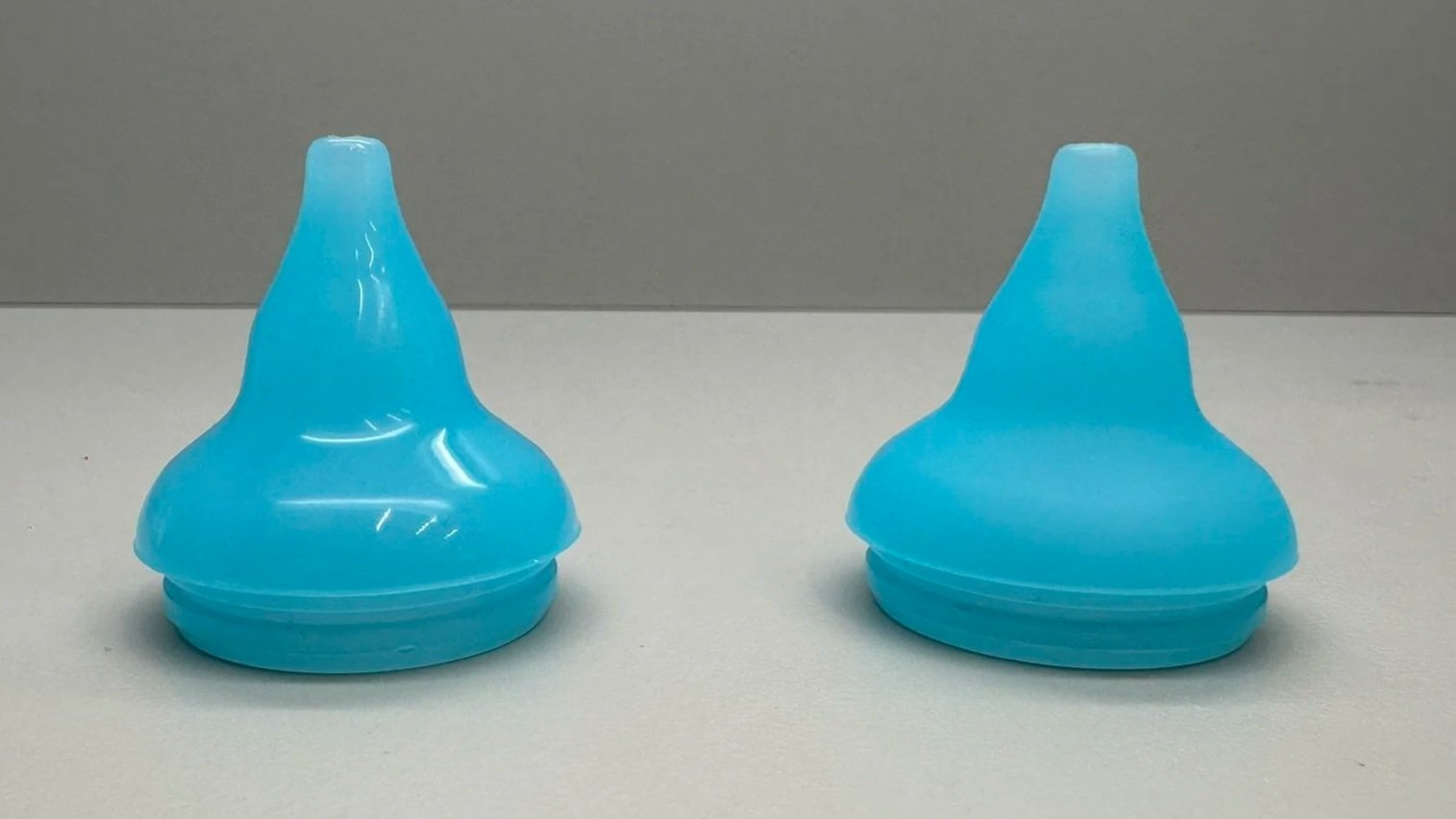

Outcome


98% Claim Rate Reduction
Post-implementation of the corrective action solution
CAPA → Full Redesign
Technical investigation expanded the original corrective-action scope into the charter for Electric NoseFrida 2.0.
Platform Knowledge
New technical foundation for flagship category established from investigation
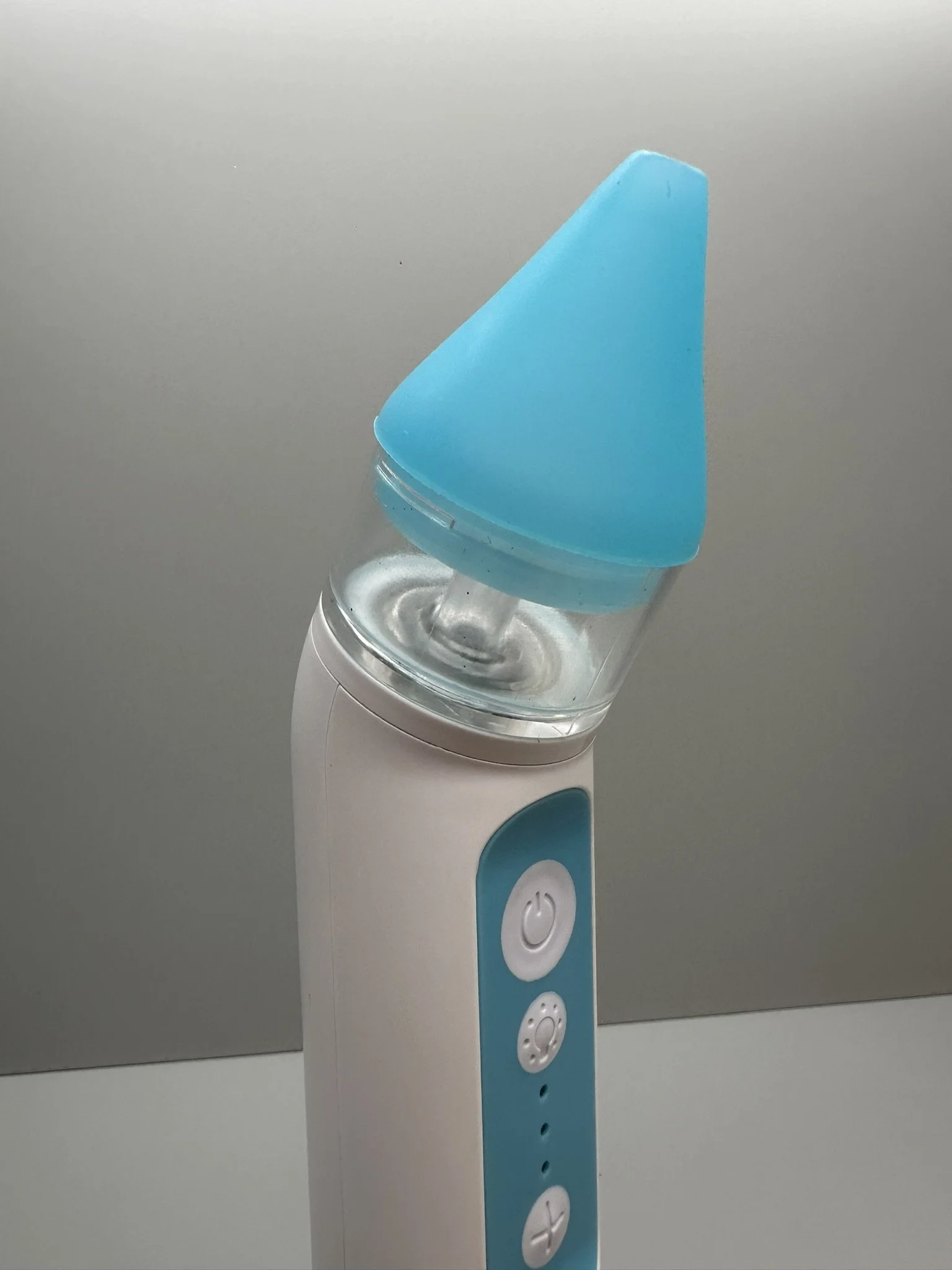
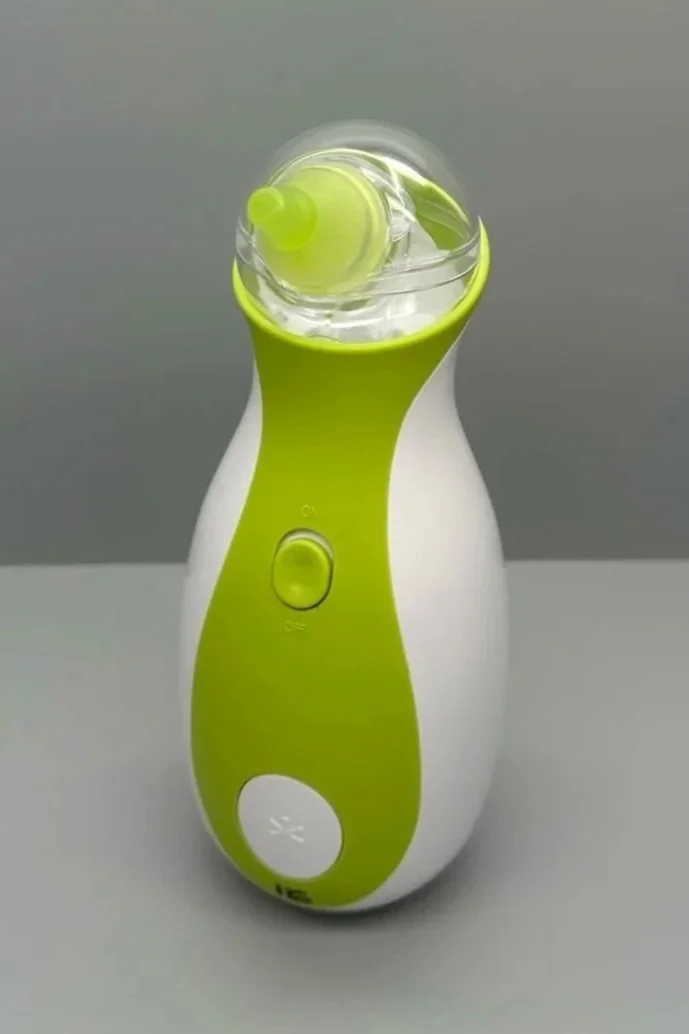
Market Reception
★ 4.4 / 5 Average Rating
2,300+Reviews on Amazon
10K+ Purchased on Amazon in Last Month
My Impact
Led the technical investigation that transformed a field-performance issue into system-level root causes, directly shaping the scope and technical charter for Electric NoseFrida 2.0. I translated those learnings into the next-generation architecture and drove development through the engineering builds, while establishing technical knowledge that became a foundation for future congestion products.